
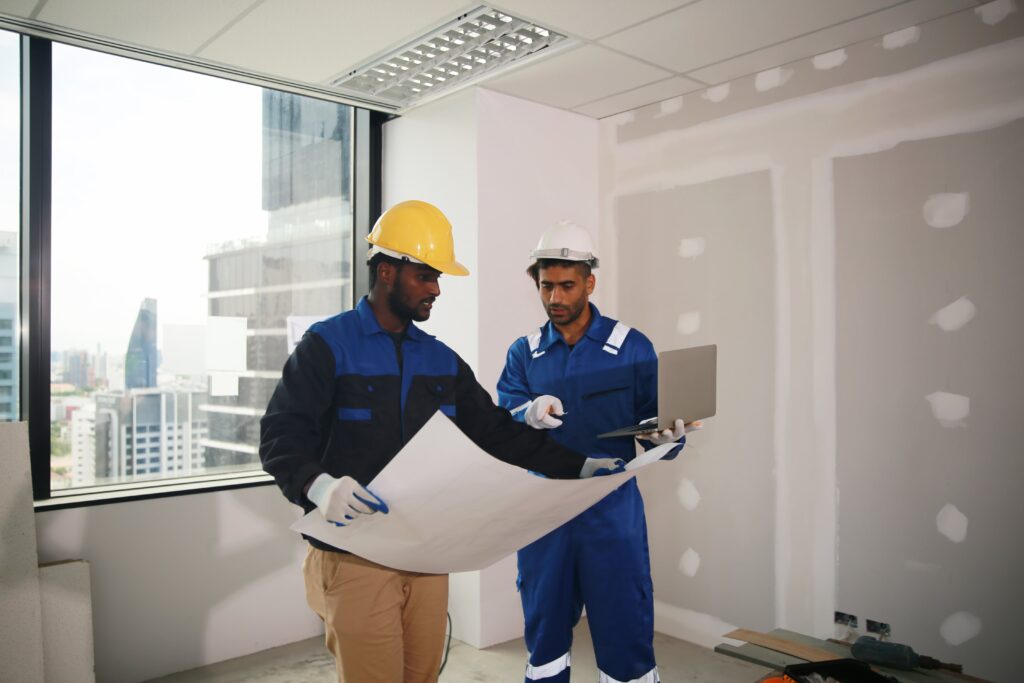
In Leeds UK, where space is tight and projects are time-sensitive, drywall plays a critical role in shaping both the function and aesthetic of a building. From residential apartments to commercial office spaces and public buildings, drywall systems provide essential interior partitioning, insulation, and finishing. Accurate drywall cost estimation is therefore key to ensuring that projects stay within budget, meet quality standards, and are delivered on time.
Drywall cost estimation requires a thorough understanding of material quantities, installation methods, and site-specific considerations. Whether you’re working on a high-rise or a single-floor commercial project, getting the drywall cost estimation right is vital for maintaining financial control and preventing delays.
Key Elements of Drywall Cost Estimation
Drywall cost estimation involves calculating the quantities and costs of the materials and labour required to install drywall systems in a given space. While the material costs (such as sheets of drywall, tape, and joint compound) are straightforward, accurate estimation also accounts for factors like labour, site conditions, and finishing requirements.
Key factors in drywall cost estimation include:
- Material Costs: The cost of drywall sheets (standard, moisture-resistant, fire-rated, etc.), screws, nails, joint tape, mud, and finishing compounds.
- Labour Costs: The time required for installation, taping, mudding, sanding, and finishing.
- Site Preparation: Includes measuring, cutting, and framing adjustments that may be needed for an irregular layout or obstacles like windows, doors, or HVAC ducts.
- Finishing: The level of finishing required (Level 1, 2, 3, or 4) significantly impacts the overall cost.
By incorporating these elements into an accurate takeoff, estimators ensure a precise cost estimate and minimize the risk of over- or underestimating material and labour needs.
The Role of Takeoffs in Drywall Cost Estimation
Takeoffs are the foundation of any accurate drywall cost estimation. A drywall takeoff involves measuring the total surface area of walls and ceilings, determining the type of drywall to be used, and calculating the quantities of materials and labour required for the entire scope of the project.
For drywall, a takeoff typically includes:
- Surface Area Calculation: The total area to be covered in drywall, typically measured in square feet or square metres.
- Materials Quantification: The number of drywall sheets, screws, tape, joint compound, and finishing materials needed based on the surface area and specific project requirements.
- Labour Estimates: The estimated hours for cutting, hanging, taping, mudding, and finishing drywall.
- Waste Factors: Adjusting for material waste and cuts around doors, windows, and other openings.
Accurate takeoffs for drywall ensure that the estimator has all the data necessary for producing a detailed and reliable cost estimate, which is crucial for keeping the project within budget.
Digital Tools for Drywall Takeoffs and Cost Estimation
Gone are the days when drywall estimators relied solely on manual measurements. Today, digital tools such as Bluebeam, CostX, and PlanSwift have revolutionized the way drywall cost estimation is done, providing faster and more accurate results.
These tools allow estimators to:
- Automate Measurements: Automatically calculate drywall quantities directly from digital blueprints, saving time and reducing the chance of human error.
- Visualize Design Changes: Easily accommodate changes in design by adjusting the digital model, with automatic recalculations for material and labour quantities.
- Integrate Live Pricing: Link takeoff data to live material pricing from suppliers, ensuring real-time cost updates.
- Collaborate Across Teams: Share takeoffs and estimates with contractors, designers, and project managers for improved coordination.
For Leeds UK construction projects, where timelines are tight, and design changes are frequent, digital drywall takeoffs are essential for staying on track and ensuring project success.
Managing Drywall Installation Complexity in Leeds UK
Leeds UK construction projects often involve unique site conditions that impact drywall installation costs. From high-rise buildings with complex floor plans to older buildings requiring structural modifications, accurate drywall cost estimation must account for these factors:
- Building Layout and Design Complexity: Irregular room shapes, high ceilings, and intricate architectural features can increase drywall material usage and installation time. Estimators need to consider these complexities during the takeoff to accurately forecast the costs.
- Access and Site Conditions: In Leeds UK, limited access to spaces, tight stairways, or elevator restrictions can delay drywall delivery and installation. Site-specific logistical planning is a critical component of accurate drywall cost estimation.
- Environmental Conditions: Weather conditions, such as humidity or temperature, can affect the curing time for drywall compounds and finishing. Estimators must factor in these conditions to avoid delays in scheduling.
- Building Codes and Regulations: Leeds UK’s stringent building codes require specific types of drywall, such as fire-resistant drywall for certain applications. Compliance with these codes will affect material selection and overall costs.
By identifying these complexities early in the estimation phase, contractors can better manage the drywall cost estimation process and avoid unexpected financial challenges during installation.
Drywall Finishing and Its Impact on Costs
Drywall finishing significantly influences both the cost and the timeline of drywall installation. The level of finishing required from basic taping to a high-end smooth finish — directly impacts material use and labour hours.
The four levels of drywall finishing are:
- Level 0: No finishing, typically used for areas not visible or unfinished.
- Level 1: Minimal finish, often for areas that will be covered with another material.
- Level 2: Suitable for surfaces that will be painted or have basic finishing.
- Level 3 and 4: High-quality finishing for smooth, paint-ready surfaces.
Takeoffs for drywall finishing should reflect the level of work required, as the number of coats of mud, sanding, and touch-ups required will increase costs and labour hours. Estimators need to accurately calculate this during the drywall cost estimation process to ensure that the final bid reflects all the necessary work.
Sustainability and Cost Efficiency in Drywall
Sustainability is increasingly important in Leeds UK’s construction industry, and drywall systems are no exception. Sustainable drywall options, such as recycled materials or low-VOC finishes, are in high demand and can have a long-term cost benefit by reducing energy consumption and improving indoor air quality.
Factors contributing to sustainable drywall cost estimation include:
- Material Sourcing: Using environmentally friendly materials such as recycled content drywall.
- Energy Efficiency: Installing drywall that improves insulation, thereby lowering energy costs.
- Waste Reduction: Accurately estimating material quantities to reduce waste during installation, thus lowering disposal costs.
By integrating these sustainable elements into drywall cost estimation, contractors can not only meet modern building standards but also deliver long-term value to clients.
The Future of Drywall Cost Estimation in Leeds UK
As construction technology continues to evolve, drywall cost estimation will become even more streamlined and data-driven. Emerging trends in the industry include:
- AI and Automation: Artificial intelligence will enable predictive cost modelling based on historical data and real-time material prices.
- 3D and VR Integration: Virtual reality tools will allow estimators to walk through the digital model and identify potential issues in the drywall installation process.
- Integrated Project Management Systems: These systems will allow seamless data sharing between estimating, scheduling, and procurement teams, reducing manual input errors.
For Leeds UK’s rapidly evolving construction industry, these advancements will make drywall cost estimation even more precise, efficient, and integrated into the overall project lifecycle.
Conclusion
Drywall cost estimation is a crucial component of any construction project in Leeds UK. By incorporating accurate takeoffs, digital tools, and sustainable practices into the process, estimators can ensure that drywall installation is completed efficiently, on budget, and to the highest quality standards.
As technology and sustainability continue to drive innovation in construction, the future of drywall cost estimation will provide even more tools for accuracy, collaboration, and cost control, ensuring that Leeds UK’s next generation of buildings stands strong, secure, and sustainable.