
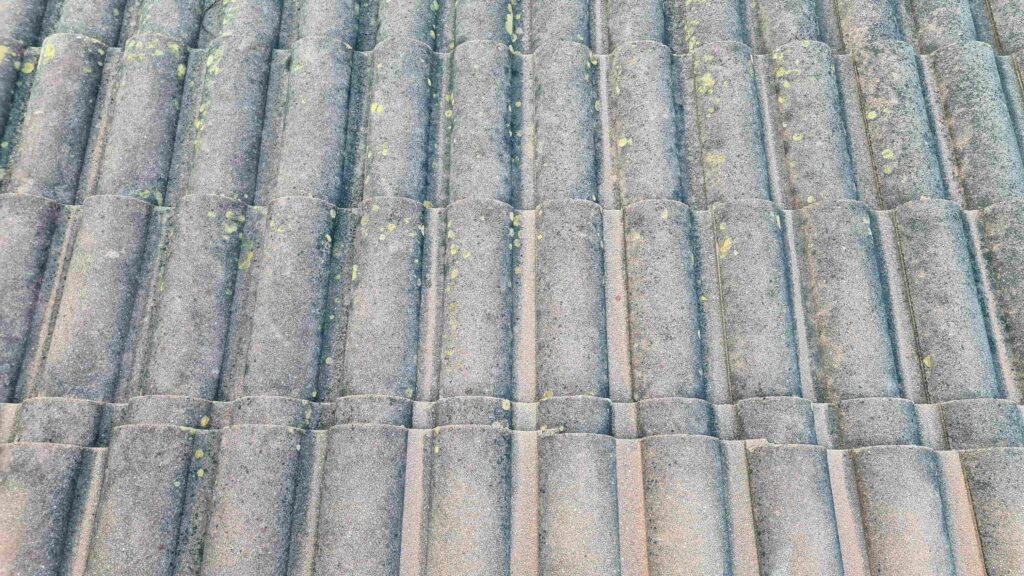
Leeds’ buildings are exposed to demanding environmental conditions persistent rainfall, seasonal temperature fluctuations, freeze-thaw cycles, wind-driven moisture, and increasing climate variability. In this context, weatherproofing techniques are not optional add-ons; they are essential systems that safeguard building performance, longevity, and asset value.
From façades and roofs to foundations and openings, effective weatherproofing depends not only on material selection but also on how accurately these systems are planned, measured, and costed. This is where data, estimation discipline, and a well-structured takeoff process supported by Fast Estimator workflows become critical to project success.
Understanding Weatherproofing Techniques in Construction
Weatherproofing techniques refer to the methods and systems used to protect buildings from external environmental elements such as rain, wind, temperature changes, and moisture ingress. Unlike waterproofing, which often focuses on static water resistance, weatherproofing addresses dynamic exposure over time.
Common weatherproofing systems include:
- Exterior wall membranes and air barriers
- Sealants and joint systems around windows and doors
- Cladding systems with drainage cavities
- Roofing and flashing interfaces
- Expansion joint and façade transition detailing
In Leeds, where multi-storey residential and mixed-use buildings are common, these techniques must be coordinated across multiple trades and accurately quantified through a reliable takeoff to avoid gaps in scope and budget.
Why Weatherproofing Techniques Require Accurate Planning
Weatherproofing failures are among the most expensive and disruptive issues in construction. Leaks, air infiltration, and thermal bridging can lead to interior damage, operational inefficiencies, and long-term maintenance liabilities.
Accurate planning of weatherproofing techniques ensures:
- Continuous protection across the building envelope
- Compatibility between materials and substrates
- Proper sequencing with structural and finishing works
- Realistic budgeting and procurement planning
This planning begins with a detailed takeoff, where surface areas, joint lengths, and interface conditions are measured precisely to form the basis of cost estimation and BOQs.
The Role of Takeoffs in Weatherproofing Cost Control
A takeoff is the quantitative backbone of weatherproofing cost planning. It translates design intent into measurable data that estimators and project managers can rely on.
For weatherproofing, a comprehensive takeoff typically measures:
- Façade and roof surface areas requiring membranes
- Linear metres of joints, seals, and transitions
- Quantity of flashings, trims, and edge details
- Labour intensity based on access and building height
Without an accurate takeoff, weatherproofing techniques are often underestimated, leading to change orders, material shortages, or compromised installation quality—particularly risky in Leeds’ dense urban environment.
Digital Takeoffs and Modern Weatherproofing Techniques
The complexity of modern building envelopes has driven the adoption of digital tools for weatherproofing measurement and estimation. Manual calculations are no longer sufficient for projects involving curtain walls, rainscreens, or multi-layer façade systems.
Digital platforms now allow estimators to perform weatherproofing takeoffs directly from 2D drawings or BIM models, enabling:
- Automated surface and joint measurement
- Visual verification of envelope continuity
- Rapid updates when façade designs change
- Integration with material cost databases
For Leeds projects, where façade geometry can be complex and repetitive across floors, digital takeoffs supported by Fast Estimator processes ensure consistency and speed without sacrificing accuracy.
Key Weatherproofing Techniques Used in Leeds
Weatherproofing strategies vary depending on building type, height, and exposure. Some of the most widely used weatherproofing techniques in Leeds include:
- Air Barrier Systems: Prevent uncontrolled air movement and moisture transfer.
- Rainscreen Cladding: Allows water to drain while maintaining a dry interior envelope.
- High-Performance Sealants: Protect joints and penetrations subject to movement.
- Thermal Breaks: Reduce condensation and energy loss at structural interfaces.
- Integrated Flashing Systems: Direct water away from vulnerable transitions.
Each of these systems must be quantified accurately during the takeoff stage to ensure correct pricing, procurement, and sequencing.
Managing Leeds-Specific Challenges
Weatherproofing in Leeds presents unique challenges that directly affect estimation and execution:
- Building Height: Increased wind exposure and access constraints.
- Tight Sites: Limited staging areas for materials and equipment.
- Regulatory Requirements: Compliance with UK Building Regulations and energy standards.
- Climate Exposure: Seasonal freeze-thaw cycles affecting material performance.
A well-prepared takeoff allows estimators to reflect these conditions in labour allowances, access methods, and material selection ensuring weatherproofing techniques are both effective and buildable.
Data Analytics and Performance-Based Estimation
Modern weatherproofing planning increasingly relies on data from past projects. By analysing historical takeoff and cost data, estimators can identify trends such as:
- Cost per square metre of façade weatherproofing
- Labour productivity variations by building height
- Performance differences between material systems
- Long-term maintenance implications
This analytical approach transforms weatherproofing techniques from reactive solutions into proactive, performance-driven strategies aligned with long-term asset management using Fast Estimator methodologies.
Sustainability and Weatherproofing
Sustainability is closely tied to effective weatherproofing. Poor envelope performance increases energy consumption and accelerates material degradation.
When sustainability is integrated into weatherproofing planning, estimators consider:
- Energy efficiency gains from airtight envelopes
- Durability and lifecycle performance of materials
- Reduced operational carbon through thermal control
- Compliance with UK energy and emissions regulations
Accurate takeoffs help quantify these benefits, enabling informed decisions that balance upfront cost with long-term value.
The Future of Weatherproofing Techniques
As construction technology evolves, weatherproofing techniques are becoming more integrated, data-driven, and predictive. Future workflows will combine:
- BIM-based envelope modelling
- Automated takeoff generation
- Performance simulation under real weather conditions
- AI-assisted risk identification at envelope interfaces
For Leeds’ next generation of buildings, this means fewer failures, better cost control, and envelopes designed not just to meet code but to perform over decades.
Conclusion
In Leeds’ demanding environment, weatherproofing techniques are a critical line of defence between buildings and the elements. Their success depends not only on material choice and workmanship, but on the accuracy of planning, measurement, and estimation.
By grounding weatherproofing strategies in detailed takeoffs, data analytics, and Fast Estimator digital workflows, construction teams can deliver envelopes that are durable, energy-efficient, and financially controlled. In a city where exposure is constant and margins are tight, precision in weatherproofing is not just good practice it’s essential.