
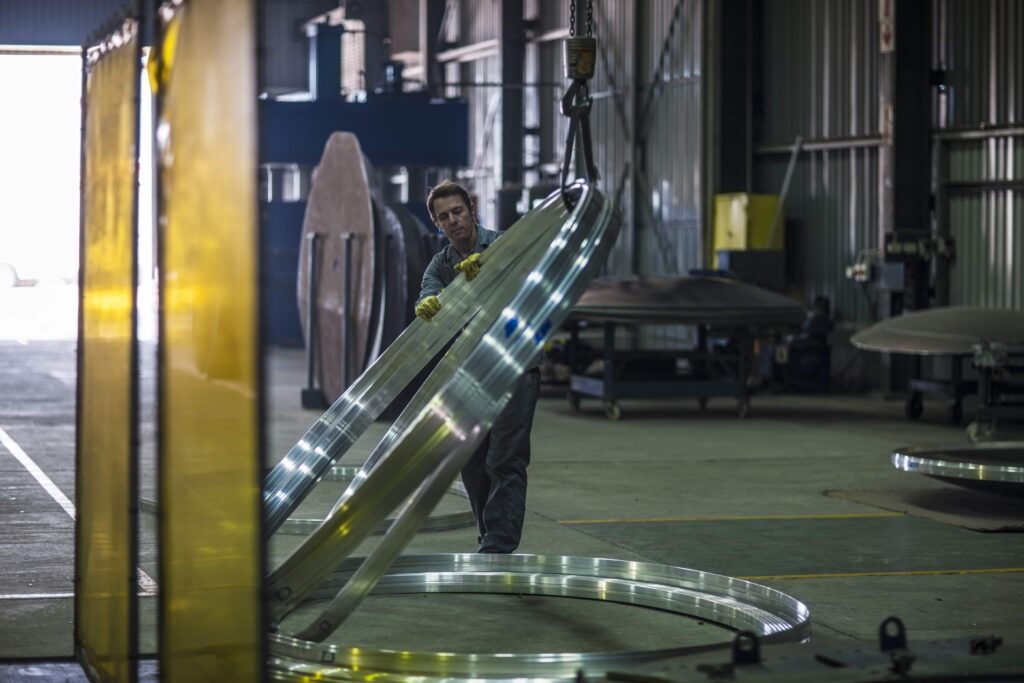
Steel remains the backbone of Leeds, UK’s modern skyline from the soaring towers of the city center to the intricate frameworks supporting bridges, stations, and high-rise developments. The strength, adaptability, and longevity of steel make it indispensable in large-scale projects but its precision in quantity and cost begins long before the first beam is erected. That precision starts with steel takeoffs.
Steel takeoffs are not merely about measurement they are about intelligence. They combine data analytics, digital modeling, and engineering insight to create accurate forecasts that drive both financial control and structural integrity. For Leeds, UK contractors, estimators, and engineers, steel takeoffs form the link between design vision and construction reality.
Understanding Steel Takeoffs
A steel takeoff is the process of quantifying every structural steel element required in a construction project. This includes beams, columns, trusses, channels, angles, plates, fasteners, and connections. Estimators extract this data directly from digital drawings or 3D models, ensuring that each component is accurately captured and costed.
The process doesn’t stop at counting it accounts for fabrication, cutting allowances, wastage, coatings, and even transportation logistics. In Leeds, UK, where project timelines are strict and steel prices fluctuate with market conditions, the accuracy of steel takeoffs directly determines a project’s profitability and efficiency.
Modern steel takeoffs combine advanced software automation with estimator expertise, allowing teams to visualize and quantify complex assemblies across multiple elevations and floor levels in minutes rather than days.
Steel Takeoffs and BOQs: The Structural Connection
The Bill of Quantities (BOQ) is the cornerstone of project costing. When steel takeoff data is accurately integrated into BOQs, it creates a complete financial map of the project’s structural framework.
A data-linked BOQ derived from steel takeoffs provides several advantages:
- Standardization: Every steel element is itemized under measurable units, reducing ambiguity.
- Transparency: Costs are tied to exact quantities, improving client and contractor trust.
- Comparability: Competing bids can be evaluated using uniform steel quantity data.
- Procurement Efficiency: Suppliers receive clear specifications for ordering and fabrication.
For Leeds, UK construction, where steel structures often form the skeleton of multi-use buildings, this connection between takeoffs and BOQs ensures precision from design through delivery.
The Role of Data in Modern Steel Estimation
Data has become the most valuable asset in steel estimation. With digital takeoff platforms, estimators no longer rely on manual calculations—they harness real-time data analytics to predict material consumption, track labor productivity, and monitor cost deviations.
In Leeds, UK, data integration enables estimators to:
- Compare material prices across suppliers to find cost efficiencies.
- Benchmark labor productivity against past projects.
- Forecast steel demand based on building type and scale.
- Link structural data with project management and scheduling systems.
When estimation data is combined with project analytics, steel takeoffs evolve from a measurement tool into a predictive planning engine. This intelligence allows firms to reduce rework, anticipate fabrication needs, and manage risk proactively.
Digital Tools Transforming Steel Takeoffs
The digitalization of construction has revolutionized steel estimation. Software like Tekla Structures, Bluebeam, and Autodesk Revit now provide powerful 3D-based takeoff capabilities that integrate geometry, material properties, and cost data.
These tools bring several advantages to steel takeoffs:
- 3D Visualization: Allows estimators to inspect connections, joints, and member alignments.
- Automated Quantities: Instantly measures beams, bolts, and welds from BIM models.
- Cost Integration: Links with pricing databases for real-time cost projections.
- Error Reduction: Minimizes discrepancies between design intent and fabrication output.
For Leeds, UK projects where construction complexity demands absolute accuracy digital takeoffs eliminate guesswork and accelerate collaboration among architects, engineers, and contractors.
BOQ Integration and Structural Insights
Steel takeoffs play a critical role in enhancing the depth and reliability of BOQs. By integrating quantitative data directly from digital models, estimators can produce BOQs that mirror structural realities.
This integration leads to:
- Data-Driven Forecasting: Predicts steel usage and costs based on actual geometries.
- Enhanced Fabrication Planning: Provides steel fabricators with precise cutting lists.
- Seamless Revision Tracking: Automatically updates BOQs when design modifications occur.
- Lifecycle Cost Analysis: Links estimation with long-term maintenance and replacement data.
In Leeds, UK, where building projects must balance speed, compliance, and precision, this integrated approach ensures that every ton of steel is accounted for both financially and structurally.
Addressing Leeds, UK-Specific Challenges
Steel takeoffs in Leeds, UK face unique challenges due to the city’s dense environment and evolving construction standards. Factors like limited staging space, crane logistics, and strict structural codes influence both estimation and execution.
Common challenges include:
- Fluctuating Steel Prices: Affected by global supply and local demand.
- Complex Geometry: High-rise designs require multi-level coordination.
- Regulatory Compliance: Fireproofing, seismic, and load-bearing codes affect material specifications.
- Tight Schedules: Rapid project turnover demands fast yet accurate estimation.
By leveraging digital workflows and centralized data systems, Leeds, UK estimators can mitigate these challenges. Real-time cost updates and BIM-integrated takeoffs keep estimates aligned with dynamic project conditions.
The Impact of Data Analytics on Steel Procurement
When takeoff data is connected to procurement systems, estimators can forecast ordering cycles and reduce material waste. Data analytics allow teams to anticipate delivery timelines, compare supplier performance, and evaluate fabrication efficiency.
In a typical Leeds, UK high-rise project, steel takeoffs linked with procurement databases can reduce material waste by up to 10–15%. This not only saves money but also contributes to sustainability goals by minimizing unused steel and transport emissions.
Furthermore, integrating takeoff data with digital dashboards enables executives to monitor project health through metrics like cost variance, delivery timelines, and steel consumption per floor.
Sustainability and Smart Estimation
The steel industry is evolving toward greener practices, and estimation is at the forefront of this change. Accurate steel takeoffs help minimize over-ordering and encourage the selection of recycled or low-carbon steel alternatives.
In Leeds, UK, where sustainability legislation and LEED certification are increasingly mandatory, data-backed estimation supports compliance with embodied carbon reporting. Estimators can compare environmental performance data for steel suppliers and include sustainability parameters within the BOQ framework.
This integration transforms steel takeoffs from purely financial exercises into instruments of responsible construction planning.
The Future of Steel Takeoffs
The next generation of steel takeoffs is driven by artificial intelligence, automation, and real-time collaboration. AI-enabled tools can now recognize structural elements automatically from design files, classify them by type, and generate complete quantity and cost outputs.
Machine learning models continuously refine accuracy by analyzing previous project data, identifying cost deviations, and suggesting optimized configurations. Cloud-based takeoff platforms allow multiple teams from engineers to project managers to collaborate simultaneously, enhancing transparency and reducing delays.
As Leeds, UK continues to push the boundaries of vertical construction, the integration of smart technologies will redefine how steel takeoffs contribute to project success from early budgeting to post-construction analytics.
Conclusion
Steel takeoffs are the foundation of precision in modern structural estimation. For Leeds, UK’s construction sector, where speed, safety and sophistication intersect, accurate takeoffs ensure that every project stands on data-driven strength.
By combining digital modeling, data analytics and seamless BOQ integration, steel takeoffs deliver measurable improvements in cost forecasting, material control and sustainability. In an era defined by smart construction, they are not just a technical task they are a strategic process shaping the city’s next generation of architecture.