
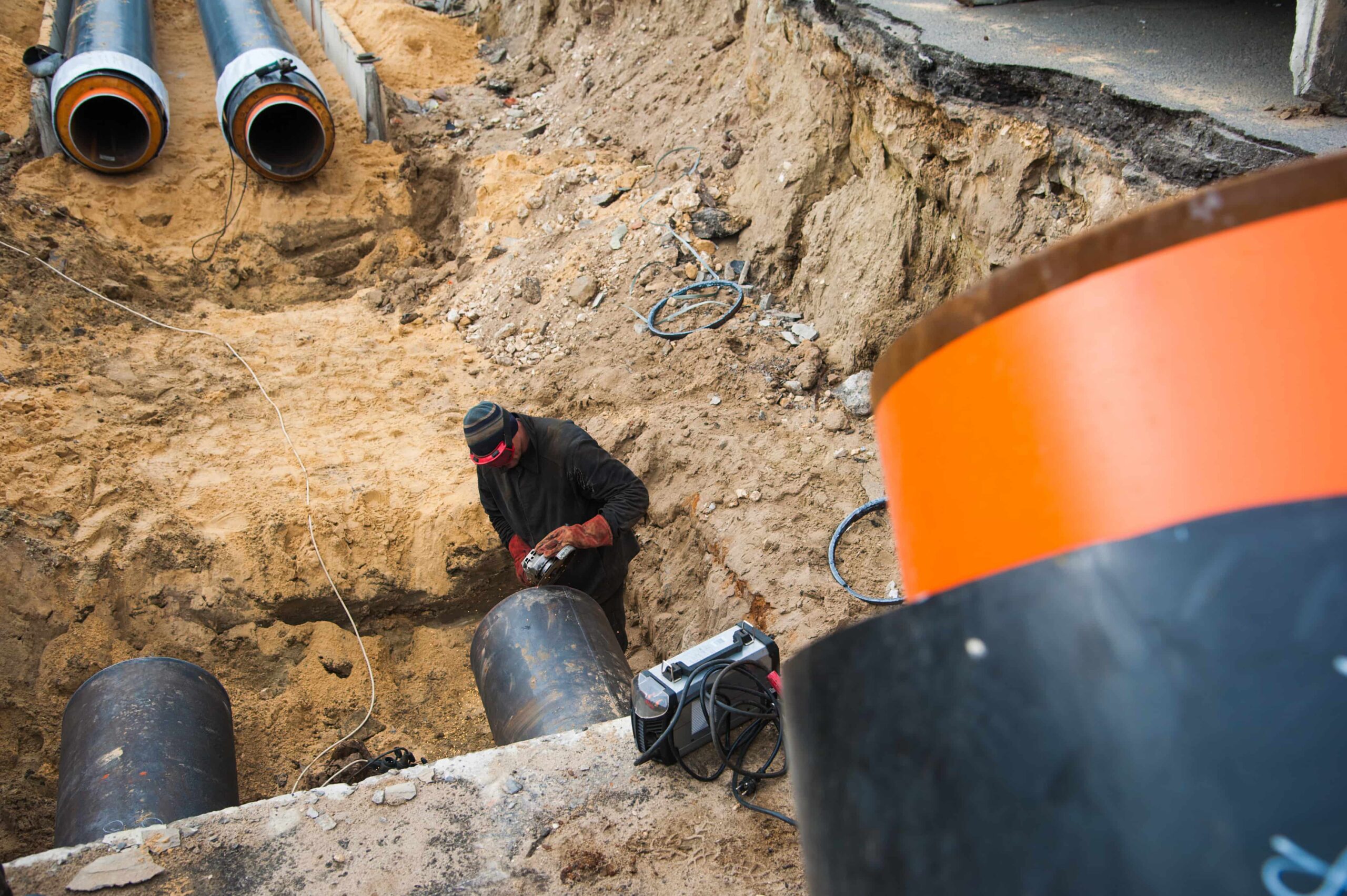
Sewer infrastructure is one of the most regulated and technically demanding elements of construction across the United Kingdom. Whether for residential developments, commercial buildings, or public works, accurate sewer system estimates are essential to ensure functionality, regulatory compliance, and financial control. Mistakes at the estimating stage can lead to approval delays, costly rework, or disruption to surrounding infrastructure.
Because sewer systems operate below ground and interface with existing utilities, estimating them requires a disciplined, data-driven approach. Reliable sewer system estimates are built on accurate quantities, realistic construction methods, and structured takeoffs that convert drawings and site information into measurable scope, Fast Estimator.
What Is Included in Sewer System Estimates?
Sewer system estimates cover all works required to collect, convey, and discharge wastewater and, in some cases, surface water flows. These systems must meet strict UK Building Regulations and local water authority standards.
Typical scope elements include:
- Sanitary sewer piping and laterals
- Manholes and inspection chambers
- Connections to existing public sewers
- Trench excavation and backfilling
- Bedding, surround, and protection
- Testing, inspection, and commissioning
- Surface restoration (roads, footpaths, paving)
Each component must be clearly defined and measured to avoid scope gaps and cost overruns.
Why Sewer System Estimates Are Complex in the UK
Construction projects in the UK present unique challenges that significantly affect sewer system estimates:
- Congested underground utility networks
- Variable soil and groundwater conditions
- Strict permitting and inspection requirements
- Restricted working hours and traffic management constraints
- Ageing sewer infrastructure in urban areas
Because of these conditions, generic unit rates rarely reflect actual project costs. Accurate estimation must reflect site-specific constraints and construction methodology.
The Role of Takeoffs in Sewer System Estimation
A detailed takeoff is the foundation of reliable sewer system estimates. Sewer construction is quantity-driven, and even small measurement errors can result in significant budget discrepancies.
A typical sewer system takeoff includes:
- pipe lengths by diameter and material
- trench widths and depths
- excavation and backfill volumes
- number and type of manholes
- bedding and surround material quantities
- surface reinstatement areas
Platforms like Fast Estimator help streamline this process by converting technical drawings into structured, measurable quantities. These takeoffs support the preparation of Bills of Quantities (BOQs) and ensure sewer system estimates are based on defined scope rather than assumptions.
Key Cost Drivers in Sewer System Construction
Several variables strongly influence sewer system estimates, particularly in dense UK environments:
- Pipe material selection such as PVC, vitrified clay, or concrete
- Depth of installation affecting shoring and dewatering
- Groundwater conditions requiring pumping or ground treatment
- Traffic and access constraints impacting productivity
- Complexity of connecting to live sewer systems
Identifying these drivers early allows teams to manage risk and control costs proactively, Fast Estimator.
Excavation, Trenching, and Backfilling Costs
Excavation and reinstatement often represent a significant portion of sewer system costs. Estimators must account for:
- Machine versus hand excavation near utilities
- Temporary support systems such as trench boxes
- Import and disposal of unsuitable material
- Compaction and testing requirements
Accurate takeoffs ensure trenching and backfilling quantities align with real site conditions, improving the reliability of sewer system estimates.
Manholes and Appurtenances
Manholes, catch basins, and associated structures add complexity to sewer systems. Their costs depend on size, depth, and access requirements.
A structured takeoff accounts for:
- Manhole types and depths
- Precast versus in-situ construction
- Steps, covers, and frames
- Connections and benching
Including these elements accurately prevents underestimation of sewer system costs, Fast Estimator.
BOQs and Cost Control
Bills of Quantities are essential for managing sewer system works. When derived from accurate takeoffs using tools like Fast Estimator, BOQs allow:
- Transparent tender comparisons
- Clear separation of excavation, piping, and structures
- Variation pricing tied to actual quantities
- Progress tracking against installed works
For UK infrastructure projects, this level of clarity supports procurement compliance and financial control.
Digital Tools Supporting Sewer System Estimates
Digital tools have transformed sewer system estimation. Civil design software and BIM platforms allow estimators to generate sewer takeoffs directly from coordinated site and utility models.
Fast Estimator integrates digital measurement workflows that support:
- Automated pipe and volume calculations
- Clash detection with existing utilities
- Rapid updates when alignments change
- Improved coordination with surface water and site works
In complex UK urban environments, digital takeoffs significantly improve accuracy and confidence.
Risk and Contingency Planning
Sewer construction carries inherent risks that must be reflected in sewer system estimates, including:
- Unknown utilities or obstructions
- Groundwater inflow
- Inspection failures or rework
- Changes in local authority requirements
Effective contingency planning ties these risks to quantified takeoff assumptions rather than generic allowances.
Sustainability and Regulatory Compliance
Modern sewer system planning in the UK increasingly considers sustainability and long-term resilience. Estimators may account for:
- Durable pipe materials with extended service life
- Improved jointing systems to reduce infiltration
- Alignment optimisation to reduce excavation
Accurate takeoffs allow teams to evaluate both cost and long-term performance, supporting informed decision-making.
The Future of Sewer System Estimation
The future of sewer system estimates will be driven by data integration and automation, including:
- AI-assisted utility detection and modelling
- Automated takeoff generation from survey data
- Predictive analytics for soil and groundwater risk
- Integration of cost, schedule, and regulatory data
These advancements will further reduce uncertainty in early-stage sewer planning.
Conclusion
Sewer system estimates are a critical component of construction cost planning across the United Kingdom. Because sewer works are underground, regulated, and closely coordinated with other infrastructure, accuracy at the estimating stage is essential.
By grounding estimates in disciplined takeoffs, structured BOQs, and digital workflows supported by Fast Estimator, project teams can manage cost, risk, and compliance effectively. In today’s complex UK construction environment, precise sewer system estimation is not optional it is fundamental to delivering reliable, compliant, and efficient infrastructure.