
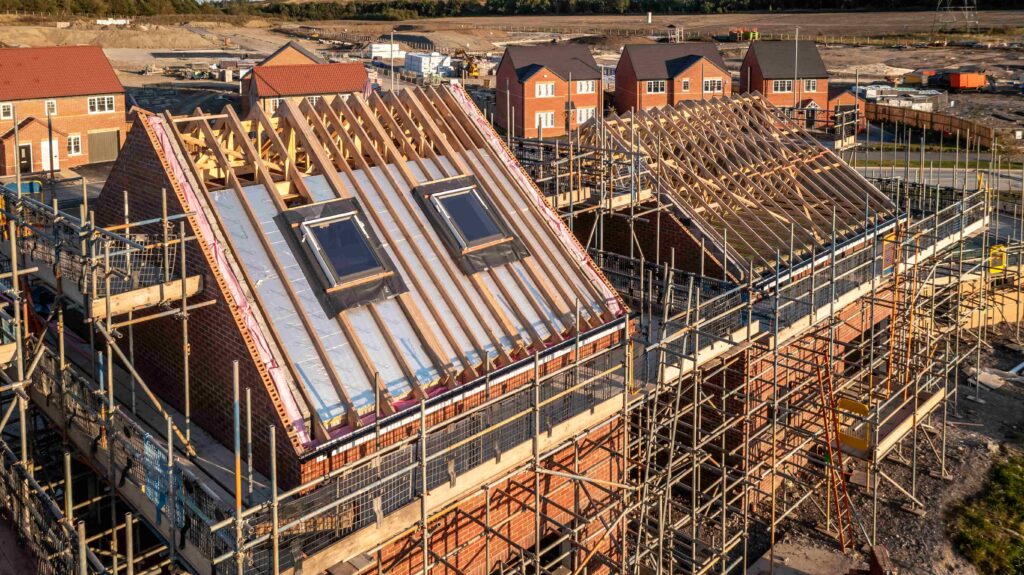
Across the UK, roofing systems perform far more than basic weather protection. They influence energy use, maintenance budgets, insurance risk, asset value, and long-term building performance. In this environment, roofing installation costs must be approached as a strategic financial decision supported by data, disciplined measurement, and digital workflows rather than a simple square-foot allowance.
Every roof type whether metal, built-up, TPO, EPDM, green roof, or modular panel carries its own cost profile shaped by logistics, structure, finishes, and sustainability requirements. Accurate planning of roofing installation costs ensures owners, contractors, and project managers maintain both price certainty and performance outcomes, especially in dense UK sites where access constraints and labour rules can significantly influence final numbers.
A structured quantity approach, grounded in a robust takeoff, is at the centre of reliable forecasting.
Understanding Roofing Installation Costs in Practice
Roofing installation costs represent the combined investment required to supply, install, and integrate the roof assembly into the overall building envelope. This includes not only the primary membrane or panel but also insulation, vapour control, drainage elements, safety systems, and interfaces with façades and MEP penetrations.
Key components commonly influencing roofing costs include:
• Roof structure readiness and substrate preparation
• Vapour barrier, insulation layers, and tapered insulation systems
• Primary roofing membrane or panel assembly
• Flashings, parapets, terminations, and expansion joints
• Roof drains, scuppers, gutters, and downpipes
• Penetrations for HVAC, solar, and communication equipment
• Safety rails, tie-offs, and roof access systems
Accurate cost planning requires each element to be measured and priced, not simply averaged into a unit rate.
The Central Role of Takeoffs in Roofing Cost Estimation
A detailed takeoff transforms drawings into measurable quantities and removes guesswork from budgeting. For roofing scopes, precise takeoffs prevent under-allowance on critical components such as insulation thickness, flashing lengths, or tapered systems.
A roofing takeoff typically includes:
• Total roof area by assembly type
• Slopes and tapered insulation volumes
• Linear footage of parapets, edges, and flashings
• Quantity of drains, sumps, and roof outlets
• Penetrations for equipment and roof screens
• Walkway pads and protective coverings
By linking takeoff data to unit pricing, estimators generate defensible roofing installation costs and produce Bills of Quantities (BOQs) that withstand contractor scrutiny.
BOQs and Structured Roofing Cost Control
BOQs bring order to complex roofing scopes. When supported by accurate takeoffs, BOQs allow project teams to:
• Separate removal vs new installation cost lines
• Distinguish material versus labour components
• Analyse alternative systems (e.g., TPO vs EPDM vs metal)
• Manage change orders tied to real quantity shifts
• Plan cash flow against phased roof installation
For UK public and large-scale private projects, structured BOQs also support transparent tendering and audit requirements.
Digital Workflows and Model-Based Roofing Costing
Digital tools are redefining how roofing installation costs are planned. BIM models, drone surveys, and automated measurement platforms enable rapid, high-accuracy roof takeoffs even on irregular geometries.
Modern workflows support:
• Automated area and slope extraction
• Integration of manufacturer data and system assemblies
• Clash detection around mechanical and façade interfaces
• Visual verification of drainage and tapered layouts
• Live cost feedback during design development
This digital approach aligns well with high-density UK projects where rooftop real estate is heavily utilised for equipment, amenities, and sustainability features.
Energy Performance and Its Cost Implications
Roofing is now a performance system rather than a passive element. Energy codes, resilience requirements, and carbon targets in the UK directly influence roofing installation costs. Estimators increasingly evaluate:
• Insulation R-values and multiple-layer assemblies
• Reflective “cool roof” systems
• Photovoltaic readiness and structural allowances
• Green roof systems with growing media and drainage layers
Each performance upgrade carries both capital cost and operational value, which must be captured clearly in estimates and BOQs.
Integration with Other Building Systems
Roofing cannot be estimated in isolation. Cost accuracy depends on coordination with:
• Structural capacity and deflection criteria
• Mechanical equipment supports and screens
• Electrical conduit and solar infrastructure
• Façade tie-ins and expansion joints
• Cranage and hoisting planning
Coordinated takeoffs across disciplines reduce duplicated allowances and prevent scope gaps that often surface late in UK projects.
Maintenance and Lifecycle Cost Considerations
True value analysis goes beyond initial roofing installation costs. Long-term cost planning considers:
• Membrane lifespan and warranty terms
• Inspection and maintenance frequency
• Leak detection and monitoring systems
• Replacement cycles for green roof plantings
• Energy savings from insulation and reflective surfaces
Estimators increasingly link takeoff quantities to lifecycle models so owners can compare “lowest first cost” vs “lowest total cost of ownership”.
Risk and Contingency Planning
Roofing scopes carry weather, logistics, and interface risk. Robust cost planning incorporates:
• temporary weather protection
• winter conditions or heat-restriction allowances
• unknown substrate conditions
• coordination delays with other trades
• commodity fluctuations for insulation and membranes
Risk is not a guess it’s tied to quantities, schedule data, and documented takeoff assumptions.
The Future of Estimating Roofing Installation Costs
The next generation of roofing estimation will be driven by:
• AI-assisted identification of roof elements in drawings
• Automated takeoff from drone-captured digital twins
• Real-time price feeds from suppliers
• Carbon-and-cost combined modelling
• Parametric comparison of roofing system options
For UK contractors and developers, these tools will mean greater accuracy, faster pricing cycles, and stronger cost control from concept through construction supported by Fast Estimator.
Conclusion
Roofing installation costs shape building performance, risk exposure, and overall project economics in the UK. Precision comes from disciplined takeoffs, structured BOQs, digital workflows, and lifecycle analysis rather than rough allowances.
By treating roofing as a data-rich system integrated with energy goals, logistics planning, and coordination across trades project teams gain predictable budgets and resilient outcomes. In a market where rooftop space is both valuable and highly visible, accurate estimation is not simply paperwork; it is fundamental to delivering roofs that perform, endure, and add lasting value.