
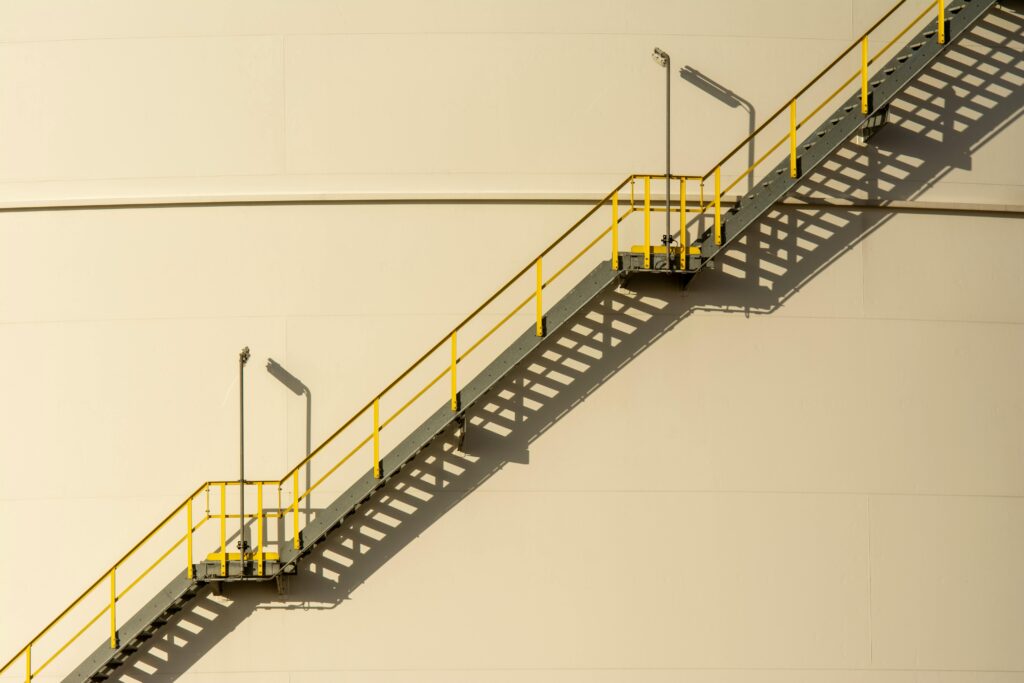
Metal stairs and railings are critical components in many UK buildings, serving essential functional and safety roles while often contributing to architectural character. From fire-escape staircases and service stairs to balconies, guardrails, and decorative handrails, metal stairs and railing costs can represent a significant portion of both interior and exterior construction works.
Because these elements are highly regulated, fabrication-intensive, and sensitive to installation conditions, their costs cannot be treated as generic allowances. Accurate planning of metal stairs and railing costs depends on detailed measurement, coordination with structure and finishes, and a disciplined takeoff process supported by Fast Estimator–driven data that clearly captures fabrication and installation requirements, Fast Estimator.
Understanding Metal Stairs and Railing Costs
Metal stairs and railing costs include all expenses associated with manufacturing, supplying, and installing metal stair systems and guardrails. These systems may be fabricated from carbon steel, aluminium, or stainless steel, depending on structural performance, aesthetics, and regulatory requirements.
Typical scope components include:
- Structural stair stringers and landings
- Treads, risers, and nosings
- Handrails and guardrails
- Balustrades, infill panels, and posts
- Brackets, anchors, and fixings
- Surface finishes such as galvanising, powder coating, or paint
Each component has distinct material, fabrication, and labour implications that must be reflected accurately during estimation.
Why Metal Stair and Railing Costs Vary Widely
Unlike standard building elements, metal stairs and railings are often custom-fabricated. As a result, metal stairs and railing costs can vary significantly based on design complexity and site conditions.
Key cost drivers include:
- Stair geometry and number of flights
- Straight-run versus spiral or feature stairs
- Railing height, infill type, and detailing
- Fire-rating and Building Regulations compliance
- Interior versus exterior exposure
- Installation height and access constraints
On UK projects, these variables are further influenced by tight programmes, refurbishment constraints, and coordination with multiple trades.
The Role of Takeoffs in Estimating Metal Stairs and Railing Costs
A detailed takeoff is essential for reliable estimation. Metal stair systems comprise multiple fabricated components that cannot be priced accurately without precise quantities and dimensions.
A metal stairs and railings takeoff typically includes:
- Number of stair flights and intermediate landings
- Linear metres of handrails and guardrails
- Weight or tonnage of structural steel components
- Quantities of posts, brackets, and fixings
- Surface areas for finishes and protective coatings
These takeoffs form the basis of Bills of Quantities (BOQs) and fabrication pricing. When integrated with Fast Estimator, they ensure that metal stairs and railing costs are transparent, auditable, and competitive at tender stage.
UK-Specific Cost Drivers
Construction conditions in the UK introduce specific factors that influence metal stairs and railing costs:
- Compliance with UK Building Regulations and fire safety standards
- Labour availability and regional productivity rates
- Restricted site access affecting delivery and installation
- Multi-storey construction requiring lifting equipment
- Inspection and approval processes for safety-critical elements
Accurate estimation incorporates these constraints early, reducing the likelihood of cost escalation during construction
Fabrication and Installation Complexity
Fabrication is a major contributor to metal stairs and railing costs. Precision manufacturing, detailed shop drawings, and sample approvals often form part of the scope.
Estimators should allow for:
- Shop fabrication time and tolerances
- Cutting, welding, and finishing processes
- Trial assemblies and quality assurance
- Transport of prefabricated stair components
- On-site alignment, fixing, and adjustment
A coordinated takeoff enables fabrication assumptions to align with actual scope, improving cost certainty when supported by Fast Estimator data.
Integration with Structure and Finishes
Metal stairs and railings interface directly with concrete slabs, steel frames, and architectural finishes. Estimation accuracy depends on understanding these interfaces clearly.
A well-prepared takeoff considers:
- Embed plates and anchor coordination
- Interfaces with floor finishes and wall systems
- Movement allowances and expansion joints
- Temporary works, protection, and access
Without proper coordination, metal stairs and railing costs frequently increase due to rework or late-stage design clarification.
BOQs and Cost Control
Structured BOQs play a key role in managing metal stair and railing costs. When derived from accurate takeoffs, BOQs enable:
- Clear separation of fabrication and installation pricing
- Transparent tender comparisons
- Controlled and measurable variation pricing
- Progress tracking against installed quantities
For large commercial and public-sector UK projects, this level of cost clarity is often essential for governance and audit requirements.
Digital Tools Supporting Estimation
Modern estimation increasingly relies on digital workflows. BIM models and coordinated drawings allow automated takeoffs for stair and railing elements, supporting:
- Precise extraction of dimensions and quantities
- Differentiation between stair types and finishes
- Rapid updates when designs change
- Improved coordination with structural and architectural models
On UK projects where design revisions are common, digital takeoffs combined with Fast Estimator help maintain control over metal stairs and railing costs without delaying decisions.
Safety, Compliance, and Code Requirements
Metal stairs and railings are safety-critical systems. Estimation must reflect compliance with:
- UK Building Regulations (Approved Documents)
- Accessibility standards such as Part M
- Load, deflection, and structural performance criteria
- Fire-resistance and means-of-escape requirements
These requirements influence material selection, fabrication detail, and installation methods, all of which affect overall cost.
Maintenance and Lifecycle Considerations
A complete assessment of metal stairs and railing costs extends beyond initial installation. Long-term considerations include:
- Corrosion protection and repainting cycles
- Wear on treads, nosings, and handrails
- Inspection and maintenance obligations
Accurate takeoffs support lifecycle costing by linking installed quantities to future maintenance and replacement planning.
The Future of Estimating Metal Stairs and Railing Costs
Advances in digital fabrication and data analytics are shaping the future of estimation. Emerging trends include:
- Automated takeoff from parametric stair models
- Closer integration with fabrication software
- Improved cost benchmarking using historical project data
- Combined cost and carbon analysis
These developments supported by platforms like Fast Estimator will further improve accuracy and predictability in metal stair and railing cost planning.
Conclusion
Metal stairs and railing costs represent a complex intersection of safety, fabrication, and architectural design in UK construction. Because these systems are custom-built, highly regulated, and installation-sensitive, accurate estimation is essential.
By grounding estimates in disciplined takeoffs, structured BOQs, digital workflows, and Fast Estimator–driven insights, project teams can manage cost, coordination, and compliance effectively. In the UK’s demanding construction environment, precision in estimating metal stairs and railing costs is not simply beneficial it is critical to delivering safe, durable, and well-coordinated buildings, Fast Estimator.