

From Drawings to Winning Bids: The Modern Science of Construction Estimating
The construction industry has evolved dramatically over the past decade. With increasing project complexity, rising material costs, tighter deadlines and aggressive market competition, contractors can no longer rely on outdated estimation methods. Today, successful construction companies understand that accurate estimating is not just a technical task, it is a strategic advantage.
Modern construction estimating has become a science that combines technical expertise, digital tools, market intelligence, and data-driven decision-making. From analysing architectural drawings to preparing detailed Bills of Quantities (BOQs), professional estimating services now play a critical role in helping contractors submit competitive and profitable bids. In highly competitive construction markets such as London, Manchester, Birmingham, New York, Toronto, Dubai and Sydney, the difference between winning and losing a project often depends on the quality and accuracy of the estimate, Fast Estimator.
Understanding Modern Construction Estimating
Construction estimating is the process of forecasting the total cost of a construction project before work begins. This includes calculating:
- Material quantities
- Labour costs
- Equipment expenses
- Subcontractor pricing
- Overheads
- Project timelines
- Contingencies
Traditionally, estimators relied heavily on manual calculations, spreadsheets, and printed drawings. While these methods worked in the past, they are now too slow and vulnerable to human error for modern construction demands. Today’s estimating environment requires speed, precision, and adaptability. Contractors must submit bids faster while ensuring profitability and competitiveness. This is where digital estimating and professional takeoff services have transformed the industry.
The Role of Digital Takeoffs in Modern Construction
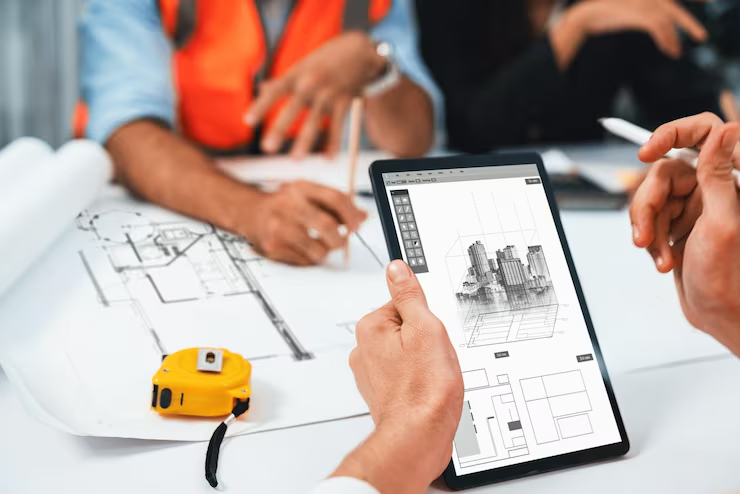
Digital takeoffs are one of the biggest innovations in construction estimating. Instead of manually measuring plans using rulers and printed blueprints, estimators now use advanced software to measure quantities directly from digital drawings.
This process improves:
- Accuracy
- Speed
- Collaboration
- Cost control
- Bid turnaround times
Digital takeoffs allow estimators to quickly identify quantities for concrete, drywall, flooring, painting, roofing, steel, plumbing, HVAC, electrical systems and other trades. With projects becoming larger and more technically demanding, digital estimating helps contractors avoid costly mistakes that can damage profitability. For example, a small error in material quantity calculations on a commercial project in London or Chicago can result in thousands of pounds or dollars in unexpected costs. Accurate takeoffs reduce these risks significantly.
Why Accurate BOQs Matter More Than Ever
Bills of Quantities (BOQs) remain one of the most important components of any construction tender. A well-prepared BOQ provides a detailed breakdown of materials, labour and work items required for the project.
Modern BOQs help contractors:
- Understand project scope clearly
- Compare supplier pricing effectively
- Improve procurement planning
- Prevent budget overruns
- Reduce disputes during construction
- Increase bid confidence
Inaccurate BOQs often lead to underbidding or overbidding. Underbidding can destroy profit margins, while overbidding may cause contractors to lose projects to competitors. Professional estimating services ensure that BOQs align precisely with project drawings, specifications and market pricing trends.
The Competitive Advantage of Professional Estimating Services
Many contractors today are turning to outsourced estimating services to improve efficiency and reduce operational pressure. Hiring and maintaining an in-house estimating department can be expensive, especially for small and medium-sized construction firms.
Professional estimating companies provide:
- Experienced estimators
- Faster turnaround times
- Trade-specific expertise
- Advanced estimating software
- Reduced overhead costs
- Improved bid accuracy
This allows contractors to focus on project execution, client relationships and business growth while estimation experts handle the technical and time-consuming aspects of bidding. Outsourced estimating is especially valuable during busy tender periods when contractors are managing multiple projects simultaneously.
How Technology Is Reshaping Construction Estimating
Technology is rapidly transforming the estimating process across the global construction industry. Modern estimators now use:
- Cloud-based estimating platforms
- Building Information Modelling (BIM)
- AI-assisted quantity takeoffs
- Real-time cost databases
- Automated measurement tools
- Collaborative project management systems
These technologies allow estimators to work more efficiently while improving consistency and transparency.
Artificial Intelligence is also beginning to influence construction estimating by helping professionals identify patterns, automate repetitive calculations and improve forecasting accuracy. While human expertise remains essential, technology is enhancing productivity and reducing estimation risks. Contractors who adopt modern estimating solutions are positioning themselves for long-term growth in an increasingly competitive marketplace.
The Importance of Speed in Tender Submissions
In modern construction markets, speed is becoming just as important as accuracy. Tender deadlines are often extremely tight, especially on commercial and infrastructure projects.
Contractors who cannot prepare estimates quickly may lose opportunities before submitting a proposal. Fast and reliable estimating services allow companies to respond rapidly to tender invitations without sacrificing quality.
Quick turnaround times also provide more flexibility for reviewing pricing strategies, negotiating with suppliers and refining project costs before submission. This competitive advantage is particularly important in high-demand construction regions where multiple contractors compete for the same projects.
Reducing Risk Through Accurate Estimating
One of the biggest challenges in construction is financial uncertainty. Material price fluctuations, labour shortages and design changes can significantly impact project profitability.
Professional estimating reduces these risks by providing:
- Detailed quantity verification
- Accurate pricing analysis
- Clear project scope understanding
- Cost forecasting support
- Better procurement planning
Reliable estimates help contractors make informed business decisions and avoid unexpected financial pressure during construction. For developers and project owners, accurate estimates also improve budget confidence and project planning efficiency.
Why Modern Contractors Need Reliable Estimating Partners
Construction companies today operate in a fast-moving and highly competitive environment. Winning projects requires more than experience alone it requires accurate data, efficient workflows and professional cost management.
Reliable estimating partners help contractors:
- Increase bid volume
- Improve bid quality
- Save valuable time
- Reduce estimating stress
- Maintain profitability
- Scale operations more efficiently
As construction projects continue to grow in complexity, the importance of professional estimating services will only increase.
Fast Estimator, The Future of Construction Estimating
The future of construction estimating is digital, data-driven, and highly collaborative. Contractors who continue relying solely on traditional manual methods risk falling behind competitors who embrace modern technology and professional estimating solutions.
The industry is moving toward smarter workflows where estimators, project managers, architects and contractors collaborate in real time using integrated digital platforms.
Companies that invest in accurate takeoffs, detailed BOQs, and professional estimating support are better positioned to win profitable projects and maintain long-term business growth. At a time when every tender matters, modern construction estimating is no longer just about numbers it is about creating confidence, reducing risk and turning project drawings into winning bids.